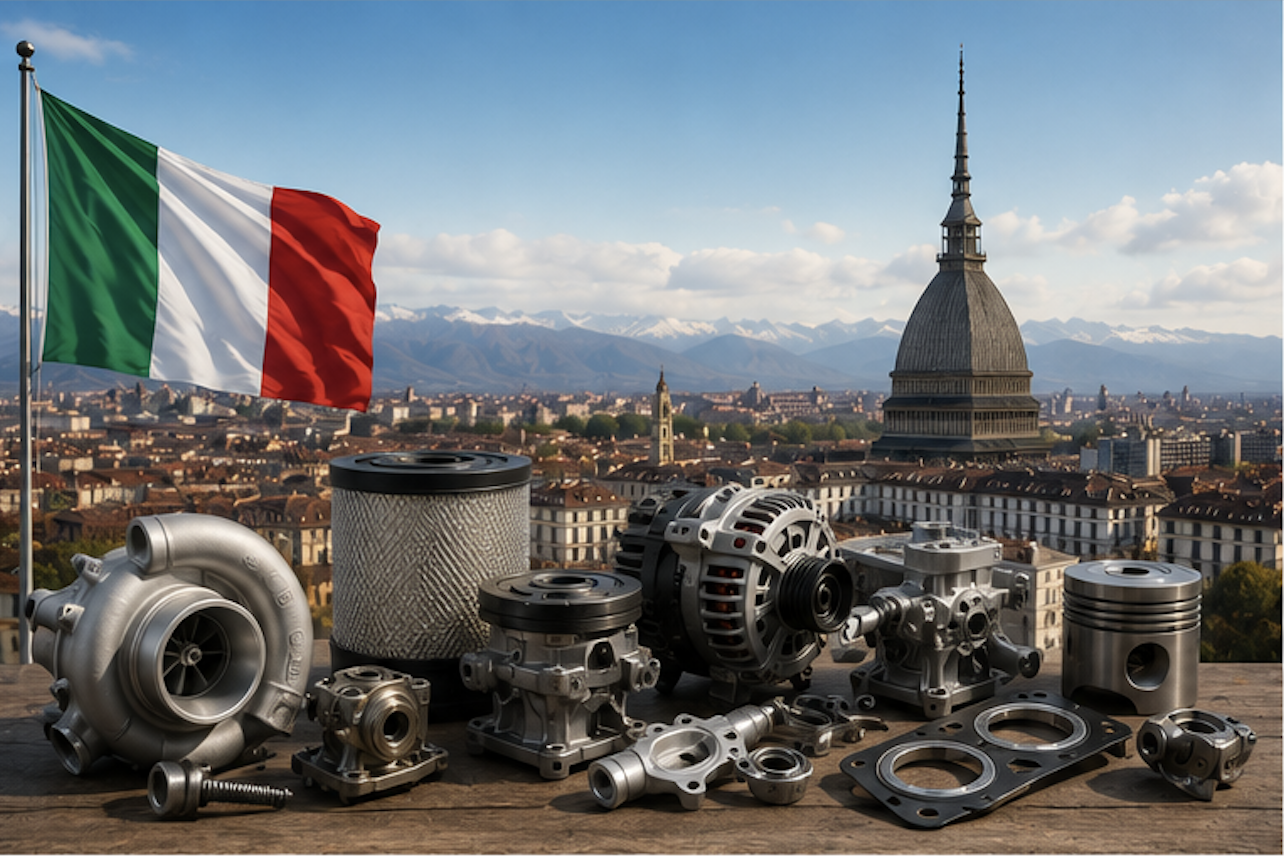
The hidden supply chain
Most equipment manufacturers do not produce every component that goes into their machines. Modern trucks, tractors, engines and construction equipment are assembled from thousands of parts supplied by highly specialized manufacturers. One company produces injectors. Another makes sensors. Another builds hydraulic systems. Another produces bearings. The equipment manufacturer integrates these components into the finished machine. This is how industry has worked for decades.
What happens next?
After production, those same component manufacturers often keep producing replacement parts. Some are sold through OEM channels; others enter the market through independent distribution networks. In many cases, the underlying manufacturer remains exactly the same. The difference is packaging, distribution, inventory management and commercial structure. Professional procurement teams understand this distinction.
Rather than asking whether a part is OEM or aftermarket, they ask: Who manufactured it? What quality standards were used? What is its performance history? What is the total cost of ownership?
Why smart buyers think differently
The best procurement organizations focus on outcomes. They want:
- Reliable performance
- Competitive pricing
- Consistent availability
- Reduced downtime
- Long-term supplier relationships
Sometimes the OEM channel is the best solution. Sometimes a premium aftermarket supplier offers identical performance at a significantly lower cost. The answer depends on the application, the manufacturer and the procurement strategy.
The EuropaYa difference
EuropaYa operates closer to the manufacturing layer of the supply chain. Our experience within the European industrial ecosystem lets us identify sourcing opportunities that are often invisible to traditional buyers. Instead of seeing the market as OEM versus aftermarket, we focus on understanding the actual manufacturing source behind the component. That perspective lets our customers make better decisions, reduce costs and strengthen their supply chains. Because the best buyers don't purchase boxes — they purchase manufacturing quality.